

Many call it an AI consultant. I call it something else.
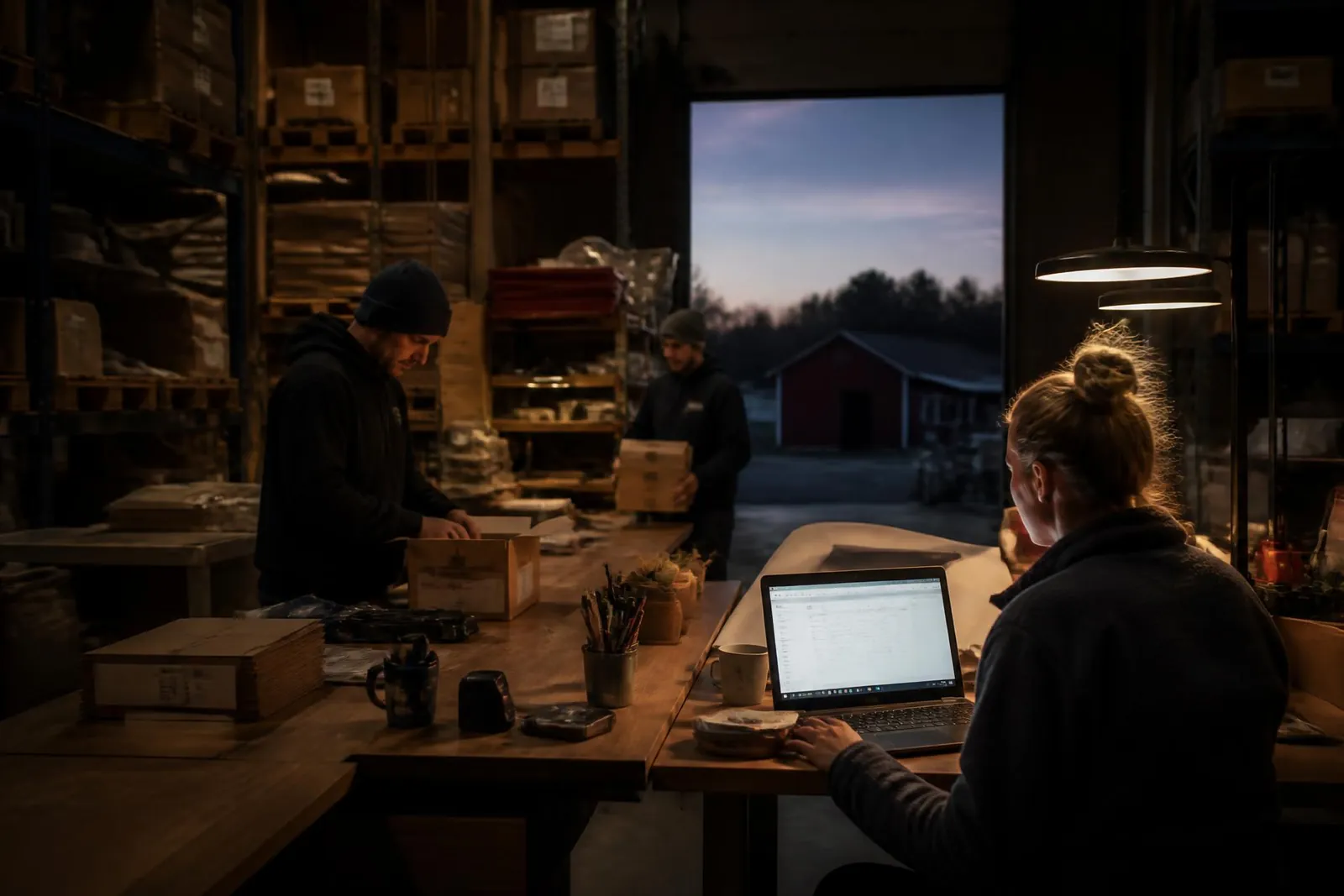
You probably searched for an AI consultant because too much of the business still runs through you. Quotes left sitting. Customers calling back because no one got in touch. Admin left for the evening. An AI consultant sells you tools and hours. I work as an operational architect and build systems that stop that from happening, and that you fully own once I'm done.
Book the Discovery Call
Free. 30 minutes. No pitches.
What you actually recognise
Any of this sound familiar
You're the only one who knows where things are
Your evenings go to work that should have been handled during the day
You can't be away for a week without the phone ringing
What it actually means
What I mean by operational architecture
Operational architecture is about how work moves through the business. From first customer contact to quote. From order to delivery. From delivery to follow-up.
In most owner-led companies, most of that lives in people's heads, email threads and old habits. It works for a long time. Until the company grows. Then the owner becomes the hub, not because anyone wants it, but because nothing else holds it together. I rebuild those flows so responsibility, information and next steps are clear. Technology can be part of it. But it doesn't come first.
The difference
AI consultant or operational architect?
Many people look for an AI consultant when what they really want is less friction in the day-to-day. Those are two different things.
Typical AI consultant
- Starts with tools and use cases
- Asks what can be automated
- Builds point solutions
- Focuses on implementing technology
- Measures activity
Dörröppnaren
- Starts with the bottlenecks in the business
- Asks where the work gets stuck
- Builds workflows that connect
- Focuses on responsibility, information and follow-up
- Measures what the owner no longer has to carry
That doesn't mean technology is unimportant. It means it should support a way of working that already holds, not hide one that doesn't.
Who it's for
For owner-led companies that have outgrown their ways of working
I work with owner-led companies of roughly 30–300 million SEK in revenue, in Täby. Most often in:
Construction and trades
Property management
Technical distribution
Industrial services
What they have in common isn't the industry. It's that too much depends on too few people.
One example
Solstickan Design, Täby
13hours a week back
168hours a year in the order flow
90%of the order flow now automated
Five workflows were built: order handling from PDF into Visma, customer service routing, reseller activation, forecasting and dashboards. Together they free up around 13 hours a week.
The order flow alone accounts for 168 hours a year, based on 2,531 orders at four minutes each. 90 percent of the order flow is now handled automatically.
The point wasn't to introduce a tool. The point was that orders, questions and follow-up no longer had to pass through the same person every morning.
Who you're talking to
About Tobias Åhlin
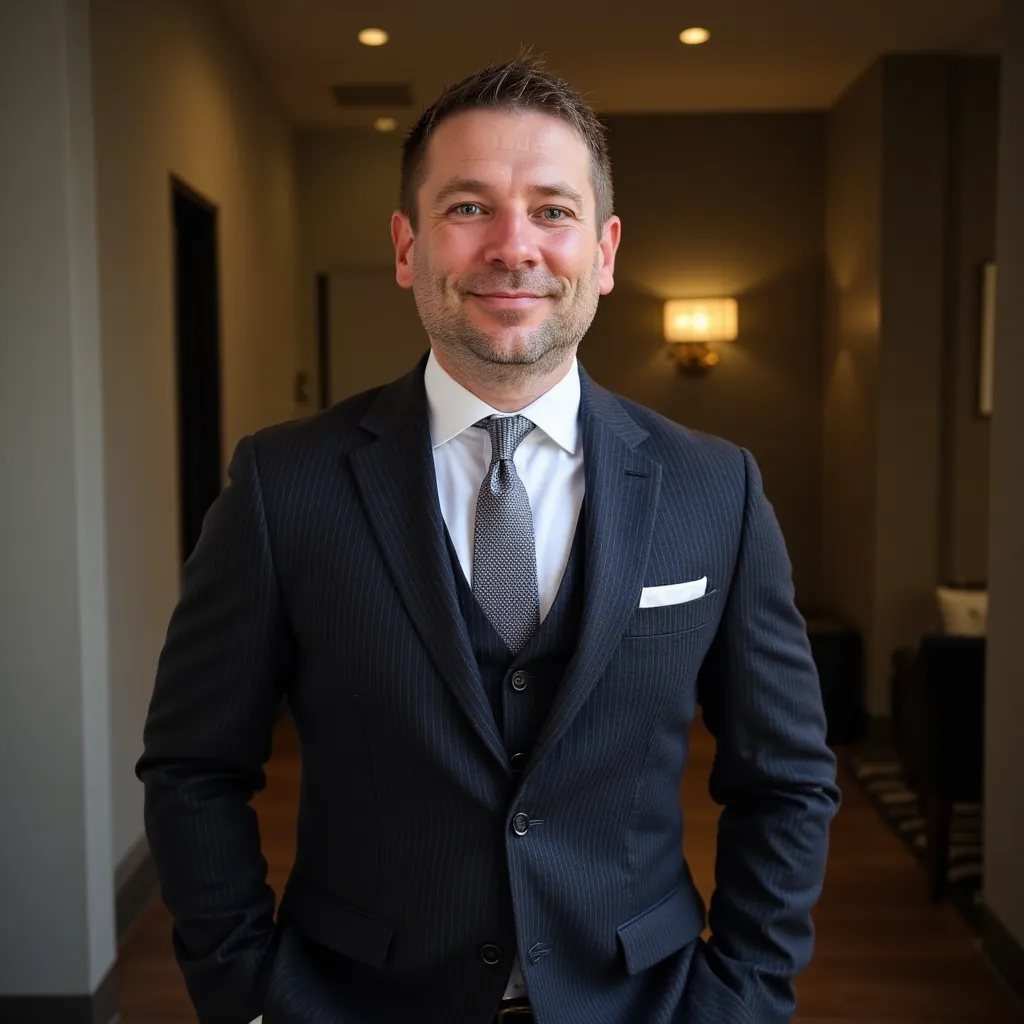
Tobias Åhlin is the founder of Dörröppnaren and an operational architect based in Täby. Ten years in complex enterprise sales at Snowflake and Splunk, more than 30 million USD in closed business and several President's Club awards.
That background doesn't show up in presentations. It shows up in how sales, delivery, follow-up and responsibility are connected in practice.
What I do instead
Instead of selling you a tool
Dörröppnarsamtalet
I sit down, go through how the business actually works today, and calculate where time disappears. Then I build it away, not with an interface you have to learn, but with systems that work in the background.
Operativ Frigörelseplan
The call is free and takes 30 minutes. If you want to go further, I produce an Operational Release Plan: a written review with a bottleneck map, cost leakage and a prioritised action plan. That is a paid step. If I don't find at least 10 hours a week that can be freed up, it costs nothing.
Book the Discovery CallBook a free Discovery Call, 30 minutes, no pitches.
FAQ
Before you book
I'm an operator, not an agency. No sales rep, no project manager, no subcontractors. I talk to you, map, build and run it. That makes it faster and cheaper, and you never have to explain the same thing to three people in a row.
Mainly n8n for automation, and language models from OpenAI and Anthropic. The tool matters less. What matters is that the solution is connected to your existing systems, accounting, CRM, email, and that someone maintains it.
No. What I build should work day to day without an IT department. If something needs to change, I change it. If you want to learn how it fits together, I'll show you. But you never depend on someone internal reading code.
The call costs nothing. The Release Plan that may follow is a paid step, and it costs nothing if I don't find at least 10 hours of freeable work per week. The build itself depends on scope, and you get an exact price before anything is built. No open-ended hourly billing.
My focus is Täby because I live here and want to be able to be on-site when needed. For the right engagement I travel further. But I never take on more clients at once than each can get full attention.
An AI consultant usually helps companies find, choose or implement AI tools. That can be valuable. But if the problem is that the business runs through the owner, starting with the tool rarely helps. Ways of working, responsibility and follow-up need to become clearer first.
Yes. I build AI agents and automation, for example order flows from email into Visma and Fortnox. Calling myself an operations architect means I start with how the business actually works before anything is built.
Owner-led companies of roughly 30–300 million SEK in revenue in Täby. Usually companies that have grown, but where the way of working still depends on the owner or a few key people holding it together.
Automation is about making a task go faster. Operational architecture is about deciding how work should function across people, responsibility, information and systems. Automation can be part of it, but it belongs inside a flow that already makes sense.
That the company can move forward without you being the middleman in every question. The right information in the right place. The right person knowing the next step. Follow-up that happens without you having to remember everything.
Contact
Ready to take back your time?
Book a free 30-minute call. No slides. No pitch. Just an honest review of if and how I can help you.